
Google Ads vs Facebook Ads: Which Is Better?
Digital advertising has become one of the most effective ways to reach potential customers online. Among the top advertising platforms, Google Ads and Facebook Ads stand out as powerful tools for businesses of all sizes. But the big question remains: Google Ads vs Facebook Ads: Which is better?
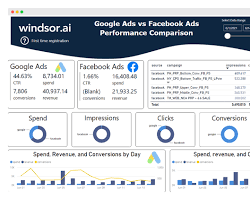
The answer depends on your business goals, target audience, budget, and marketing strategy. In this guide, we’ll compare both platforms, explore their strengths and weaknesses, and help you decide which one is right for your business.
What Is Google Ads?
Google Ads is Google’s online advertising platform that allows businesses to display ads on Google Search, YouTube, Google Maps, Gmail, and millions of partner websites through the Google Display Network.
With Google Ads, businesses can reach customers who are actively searching for products or services.
Benefits of Google Ads
- Reach users with high purchase intent.
- Appear at the top of Google search results.
- Multiple ad formats, including Search, Display, Shopping, Video, and App ads.
- Advanced keyword targeting.
- Detailed performance tracking.
- Suitable for businesses seeking immediate leads or sales.
What Are Facebook Ads?
Facebook Ads is Meta’s advertising platform that enables businesses to advertise on Facebook, Instagram, Messenger, and the Audience Network.
Instead of targeting search intent, Facebook Ads focus on user interests, demographics, and online behavior.
Benefits of Facebook Ads
- Highly detailed audience targeting.
- Excellent for brand awareness.
- Lower cost per impression in many industries.
- Strong visual advertising capabilities.
- Effective for lead generation and remarketing.
- Easy integration with Instagram campaigns.
Google Ads vs Facebook Ads: Key Differences
| Feature | Google Ads | Facebook Ads |
|---|---|---|
| Audience Intent | High (users are actively searching) | Medium (users discover products while browsing) |
| Best For | Leads, sales, local services | Brand awareness, engagement, community building |
| Targeting | Keywords and search intent | Interests, behaviors, demographics |
| Ad Formats | Search, Display, Shopping, Video, App | Image, Video, Carousel, Stories, Reels |
| Cost | Often higher CPC | Usually lower CPC in many niches |
| Buying Stage | Bottom of the sales funnel | Top and middle of the sales funnel |
When Should You Choose Google Ads?
Google Ads is ideal if your business wants to:
- Generate immediate leads.
- Sell products with high buying intent.
- Target users searching for specific services.
- Promote local businesses.
- Increase website conversions.
Businesses such as law firms, plumbers, healthcare providers, and eCommerce stores often benefit from Google Ads because customers are already looking for their services.
When Should You Choose Facebook Ads?
Facebook Ads work best when you want to:
- Increase brand awareness.
- Reach new audiences.
- Promote visually appealing products.
- Build a community.
- Grow social media engagement.
- Retarget previous website visitors.
Fashion, fitness, beauty, travel, education, and lifestyle brands often perform well on Facebook and Instagram.
Cost Comparison
The cost of advertising varies depending on your industry, competition, and campaign settings.
Google Ads
- Generally has a higher Cost Per Click (CPC).
- Highly competitive keywords can be expensive.
- Delivers strong conversion potential because users have buying intent.
Facebook Ads
- Often offers a lower CPC and Cost Per Thousand Impressions (CPM).
- Great for businesses with limited advertising budgets.
- Can generate significant reach at a relatively low cost.
Which Platform Delivers Better ROI?
Return on Investment (ROI) depends on your objectives.
Choose Google Ads if your goal is:
- Website conversions
- Sales
- Phone calls
- Lead generation
- Local customers
Choose Facebook Ads if your goal is:
- Brand awareness
- Audience engagement
- Social media growth
- Product discovery
- Remarketing campaigns
Many successful businesses combine both platforms to maximize results.
Google Ads vs Facebook Ads for Small Businesses
Small businesses often wonder which platform provides better value.
If you have a limited budget:
- Use Google Ads when customers are actively searching for your services.
- Use Facebook Ads to introduce your brand to new audiences and build long-term relationships.
Combining search intent with social media engagement can create a well-rounded marketing strategy.
Tips for Running Successful Ad Campaigns
No matter which platform you choose, follow these best practices:
- Define clear campaign goals.
- Know your target audience.
- Create compelling ad copy.
- Use high-quality visuals.
- Test different ad variations.
- Track conversions and performance.
- Optimize campaigns regularly.
- Set realistic budgets.
Continuous testing and optimization are essential for improving campaign performance.
Conclusion
When comparing Google Ads vs Facebook Ads, there isn’t a one-size-fits-all answer. Google Ads excels at capturing customers who are ready to buy, while Facebook Ads are highly effective for building brand awareness and engaging potential customers.
For many businesses, the most successful strategy is using both platforms together. Google Ads can capture high-intent searches, while Facebook Ads nurture audiences, increase visibility, and encourage repeat engagement.
Evaluate your business goals, target audience, and budget to choose the platform—or combination of platforms—that delivers the best results.
Frequently Asked Questions (FAQs)
1. Which is better: Google Ads or Facebook Ads?
It depends on your goals. Google Ads are better for reaching users actively searching for products or services, while Facebook Ads are ideal for brand awareness, audience engagement, and product discovery.
2. Are Google Ads more expensive than Facebook Ads?
In many industries, Google Ads have a higher cost per click due to greater competition. Facebook Ads often provide a lower cost per click and broader reach.
3. Which platform is best for small businesses?
Small businesses can benefit from both. Google Ads are ideal for generating leads, while Facebook Ads are excellent for increasing brand awareness and customer engagement.
4. Can I use Google Ads and Facebook Ads together?
Yes. Many businesses use both platforms to attract new customers through search while building relationships and remarketing through social media.
5. Which platform provides a higher ROI?
ROI depends on your objectives, industry, audience, and campaign quality. Google Ads often deliver better ROI for direct sales, while Facebook Ads excel at long-term brand growth.
6. Are Facebook Ads good for eCommerce businesses?
Yes. Facebook and Instagram Ads are highly effective for showcasing products through images, videos, carousels, and retargeting campaigns.
7. Which platform is easier for beginners?
Facebook Ads are generally easier to set up and are beginner-friendly. Google Ads may require more knowledge of keywords, bidding strategies, and search intent.
8. Do Google Ads help improve SEO?
No. Running Google Ads does not directly improve your organic SEO rankings, but paid ads can increase website traffic and brand visibility.
9. What types of businesses benefit most from Google Ads?
Businesses offering local services, legal services, healthcare, home repairs, education, and eCommerce products often see strong results because users are actively searching for these services.
10. Should I start with Google Ads or Facebook Ads?
If your customers are already searching for your products or services, start with Google Ads. If your goal is to build awareness, grow your audience, or promote visually appealing products, start with Facebook Ads.